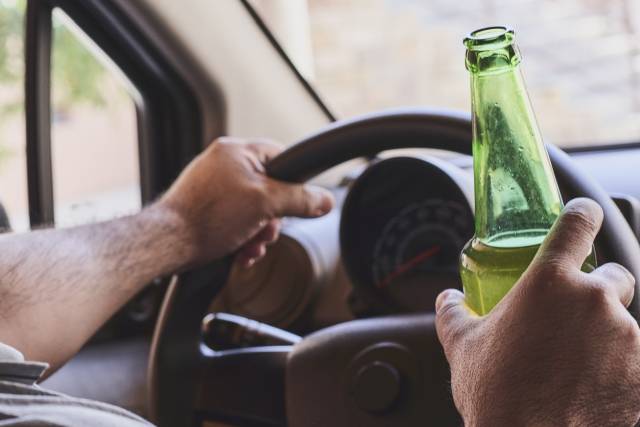

Navigating the intricacies of non-owner car insurance in Altoona, PA can be a crucial decision for individuals who frequently borrow or rent vehicles.
The concept of being covered regardless of car ownership status presents a unique set of advantages, but also comes with its share of considerations.
Understanding the nuances of this type of insurance can be pivotal in ensuring financial security and peace of mind in unforeseen circumstances.
However, delving deeper into the specifics of non-owner car insurance policies tailored to the Altoona region can shed light on the intricacies that may impact coverage and costs.
Key Takeaways
- Non-owner car insurance provides liability coverage for driving vehicles not owned in Altoona, PA.
- Requirements include no regular vehicle access, valid license, and good driving record.
- Benefits include liability protection, coverage continuity, and premium savings when buying a car.
- Drawbacks consist of secondary coverage, limitations on certain vehicles, and potentially higher premiums.
Understanding Non-Owner Car Insurance Coverage
Understanding the scope and limitations of non-owner car insurance is essential for individuals who frequently utilize vehicles they do not own. Non-owner car insurance provides liability coverage when driving a vehicle that is not owned by the policyholder. This type of insurance does not cover damages to the vehicle itself but protects the policyholder in case they cause an accident where they are at fault. It typically includes bodily injury liability and property damage liability coverage.
Non-owner car insurance is beneficial for individuals who frequently rent or borrow vehicles, use car-sharing services, or need to maintain continuous insurance coverage to prevent gaps in their insurance history. It is important to note that non-owner car insurance typically does not provide coverage for rental cars, vehicles owned by household members, or vehicles used for business purposes. Understanding these limitations is crucial to ensure that individuals have the appropriate coverage for their specific needs when driving vehicles they do not own.
Requirements for Non-Owner Car Insurance
To ensure compliance with legal requirements and protect oneself from potential liabilities, individuals interested in obtaining non-owner car insurance in Altoona, PA must meet specific criteria set by insurance providers.
The primary requirement for non-owner car insurance is that the applicant must not have regular access to a vehicle. This means that individuals who borrow or rent vehicles frequently may be eligible for this type of insurance. Additionally, most insurance companies require the applicant to have a valid driver's license and a good driving record.
Insurance providers may also consider factors such as the applicant's age, driving experience, and any past accidents or violations. It is essential for individuals seeking non-owner car insurance to disclose any relevant information accurately to ensure they receive the appropriate coverage.
While the requirements for non-owner car insurance may vary among providers, meeting these criteria is crucial for obtaining the necessary coverage and protection while driving a vehicle that you do not own.
Benefits of Non-Owner Car Insurance
Non-owner car insurance provides essential coverage for individuals who do not own a vehicle but may occasionally drive one. One of the key benefits of non-owner car insurance is that it offers liability protection. This means that if you are at fault in an accident while driving someone else's car, the non-owner insurance policy can help cover the costs of property damage and bodily injuries to the other party.
Furthermore, having non-owner car insurance can help prevent potential coverage gaps. If you frequently rent vehicles or borrow cars from friends or family members, this type of insurance can step in to provide coverage when the car owner's insurance falls short. It offers peace of mind knowing that you are protected in case of an unexpected accident.
Additionally, maintaining continuous car insurance, even when you do not own a vehicle, can help you establish a history of insurance coverage. This can be beneficial when you eventually decide to purchase a car and need auto insurance, potentially leading to lower premiums.
Drawbacks of Non-Owner Car Insurance
What are some considerations to keep in mind regarding non-owner car insurance?
Non-owner car insurance, while beneficial in many situations, also comes with some drawbacks that potential buyers should be aware of. One of the main drawbacks is that non-owner car insurance typically provides secondary coverage, meaning it only kicks in after the owner's insurance limits have been exhausted. This could potentially leave you exposed to higher out-of-pocket costs in case of an accident.
Another drawback is that non-owner car insurance may not provide coverage for rental cars, vehicles used for business purposes, or vehicles you borrow regularly. This limitation could restrict your ability to use non-owner car insurance in certain situations where you might need coverage.
Additionally, non-owner car insurance tends to be less common than standard car insurance policies, which can result in higher premiums. Since insurance companies view non-owner policies as carrying more risk, they may charge higher rates to mitigate that risk. It's essential to weigh these drawbacks against the benefits to determine if non-owner car insurance is the right choice for your situation.
How to Get Non-Owner Car Insurance
Considering the drawbacks associated with non-owner car insurance, understanding how to obtain this type of coverage is crucial for individuals who require flexibility in their insurance needs.
To get non-owner car insurance, the first step is to research insurance companies that offer this type of policy. Not all insurers provide non-owner car insurance, so it's essential to find one that does.
Once a suitable insurance company is identified, the next step is to contact them either by phone or through their website to inquire about non-owner car insurance quotes. The insurer will require information such as driving history, the frequency of vehicle usage, and coverage limits.
After providing the necessary details, the insurance company will generate a quote based on the individual's specific circumstances. If the quote is acceptable, the individual can proceed to purchase the non-owner car insurance policy, ensuring they have the liability coverage required by law while driving a car they do not own.
Conclusion
In conclusion, non-owner car insurance in Altoona, PA provides coverage for individuals who do not own a vehicle but still require liability protection while driving.
It is important to understand the requirements, benefits, and drawbacks of this type of insurance before purchasing a policy.
By obtaining non-owner car insurance, drivers can ensure they are protected in the event of an accident or damage caused while operating a vehicle they do not own.